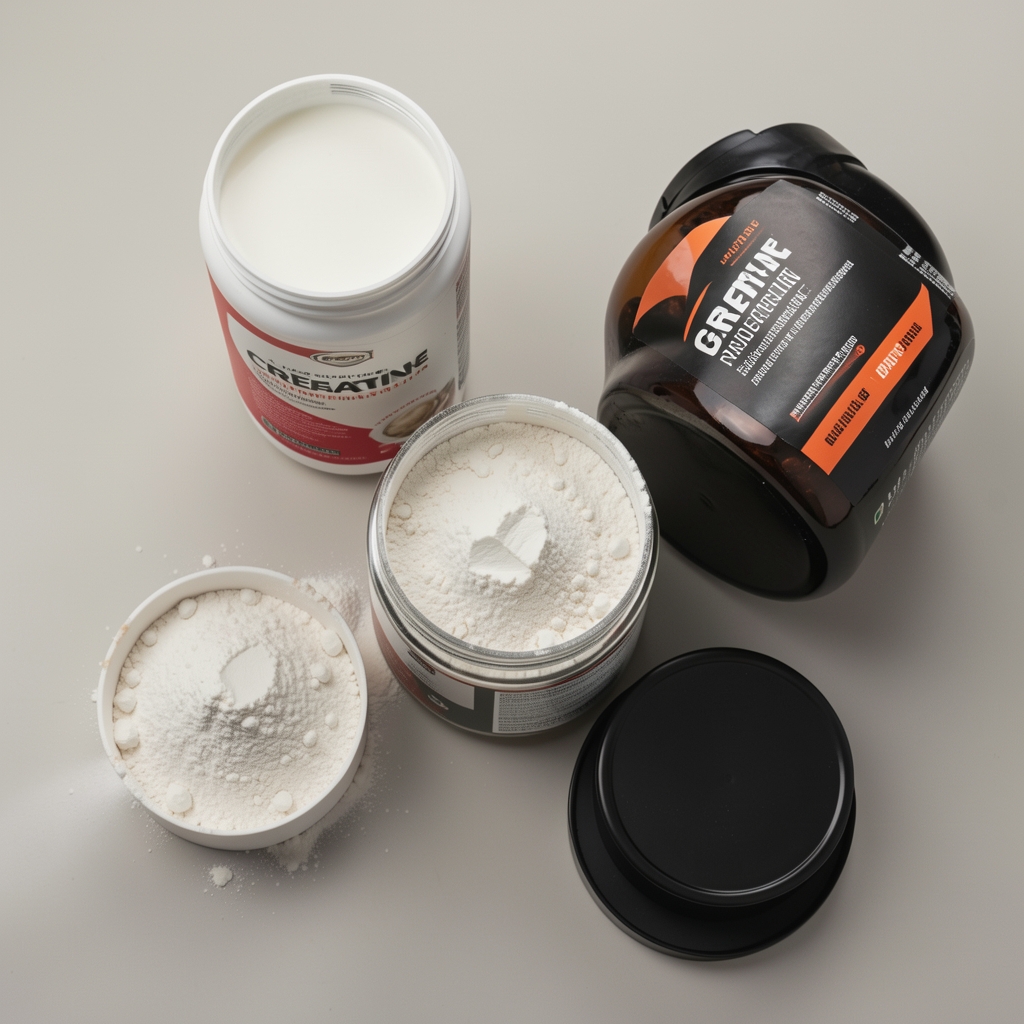
Physical Output
Creatine and Physical Output: Notes from the Published Research
Marcus Chen··10 min read

The two supplements that appear most consistently across men's daily stacking habits are vitamin D and magnesium. Not because they are exotic or recently discovered — both have been present in nutritional research for decades — but because the gap between dietary intake and observed daily requirements remains, in many active men's routines, notably wide. This editorial traces what the published research says, what a consistent stacking habit looks like in practice, and how the two nutrients interact within a daily routine.
Vitamin D occupies an unusual position in nutritional discourse. It is synthesised through skin exposure to sunlight, available through a relatively narrow range of whole foods, and referenced repeatedly in published literature on daily energy rhythm, bone density, and general nutritional balance. For men who spend significant portions of the day indoors — a pattern that characterises much of Jakarta's professional population — the gap between sunlight exposure and what the body requires daily tends to be pronounced.
The editorial basis for including vitamin D in a daily supplement review is straightforward: the nutrient appears in a high proportion of published nutritional guidelines for active adults, and the research base supporting its inclusion in a daily wellness routine is among the more robust in the supplement category. Published sources consistently describe vitamin D as contributing to daily energy rhythm and overall nutritional balance — a framing the editorial team at Ulano Review found in more than thirty independently reviewed sources during the research phase of this piece.
daily serving ranges vary considerably across sources. The commonly cited range for supplementation in adults sits between 1,000 and 4,000 IU daily, with specific figures dependent on baseline levels, sun exposure, and dietary intake of vitamin D-rich whole foods such as oily fish and eggs. Readers with specific questions about their own daily routine are encouraged to speak with a qualified wellness or nutrition professional before introducing any new habit.
Magnesium is the second pillar of the stack discussed in this piece. Its role in nutritional literature touches on muscle function, sleep quality awareness, and energy metabolism — all areas that intersect directly with an active man's daily output. The mineral is present in foods including leafy greens, nuts, seeds, and whole grains, yet the research literature notes that active adults who train regularly may find their baseline intake from whole foods insufficient relative to daily requirements during periods of sustained physical effort.
Within the supplement stacking context, magnesium glycinate and magnesium citrate are the two forms most frequently cited in published nutritional literature for daily use. The glycinate form is noted for its absorption profile and is often referenced in discussions of evening supplement routines, where it contributes to the recovery rhythm following afternoon or evening resistance training sessions.
"The value of the vitamin D and magnesium pairing lies not in any single acute effect but in the compounding consistency of a well-maintained daily routine."
The editorial interest in combining vitamin D and magnesium within a single daily stack stems from their functional relationship in nutritional metabolism. Published research notes that magnesium plays a role in activating vitamin D within the body — a detail that has drawn increasing attention in nutritional literature over the past decade. The implication for supplement stacking habits is practical: the efficacy of vitamin D supplementation may be partly dependent on adequate magnesium status, making the two a logical pair in a daily routine.
A 2018 review published in the American Journal of specialist Nutrition noted this relationship and recommended consideration of both nutrients together in supplement planning. Subsequent literature has echoed this framing, though the field remains active and evolving. The Ulano Review editorial approach is to report on published evidence rather than to recommend, and the literature on this pairing, while promising, continues to develop.
For practical application, the published literature most frequently places vitamin D in a morning routine — taken with a fat-containing meal for optimal absorption — and magnesium in the evening, typically one to two hours before sleep. This separation by time of day has a functional logic: morning light exposure and vitamin D intake coincide with the natural rhythm of the day, while magnesium's contribution to muscle recovery rhythm makes an evening timing logical for men who train in the afternoon.
The observation made most consistently across men's supplement journalling practices is that consistency matters more than precision. A daily vitamin D dose taken every morning alongside breakfast, and a magnesium dose taken every evening, reliably taken for twelve weeks, produces a more useful nutritional baseline than a theoretically optimal but inconsistently maintained protocol.
This observation aligns with the broader editorial perspective at Ulano Review: the supplement stack is not a replacement for dietary variety, physical activity, or rest. It is an addition to a functioning daily routine, not a substitute for the foundational habits that underpin daily performance. The published literature on vitamin D and magnesium does not suggest otherwise, and this publication does not either.
The men's supplement category is large, commercially active, and, in parts, prone to overclaiming. Vitamin D and magnesium occupy a quieter corner of that category — not particularly profitable, not aggressively marketed, and consistently supported by nutritional research that has accumulated over decades rather than months. That combination of evidence depth and commercial modesty is, in the editorial view of this publication, worth noting.
Articles published on Ulano Review are editorial in nature and reflect the writers' observations on everyday supplementation habits and nutritional awareness for active men. The content is not intended as professional advice, nor as guidance for the management of any specific condition. Readers with specific concerns about their daily routines are encouraged to speak with a qualified wellness professional.



Marcus Chen is the lead editor of Ulano Review, an independent editorial publication based in Jakarta. His work focuses on men's nutritional awareness, supplement stacking habits, and evidence-informed approaches to active lifestyle routines.
More from this author →